
Justice Department Finds California Women’s Prisons Failed to Protect Inmates from Sexual Abuse

(Los Angeles, CA = Aaron Schneider) On August 13, 2026, the U.S. Department of Justice announced that California’s women’s prisons are violating the Constitution by failing to protect female inmates from sexual abuse by staff.
The findings stem from an investigation into the Central California Women’s Facility (CCWF) in Chowchilla and the California Institution for Women (CIW) in Chino. Investigators revealed a troubling pattern of sexual misconduct by staff, inadequate protective measures, failures in confidential reporting, improper investigative practices, and a lack of accountability. These systemic issues were found to violate the Eighth and Fourteenth Amendments of the U.S. Constitution.
Assistant Attorney General Harmeet K. Dhillon emphasized that female prisoners have the constitutional right to be free from sexual assault and harassment by prison staff. “The Department of Justice’s investigation revealed that California’s Department of Corrections and Rehabilitation (CDCR) was aware of repeated incidents of sexual assault and harassment against female prisoners and failed to protect them. This deliberate indifference is illegal,” Dhillon stated.
First Assistant U.S. Attorney Bill Essayli for the Central District of California called the situation unacceptable, asserting that California has a legal and moral obligation to ensure the safety of its prisoners. “The State must confront the persistent failure of its own employees to prevent and address sexual abuse at these facilities,” he added.
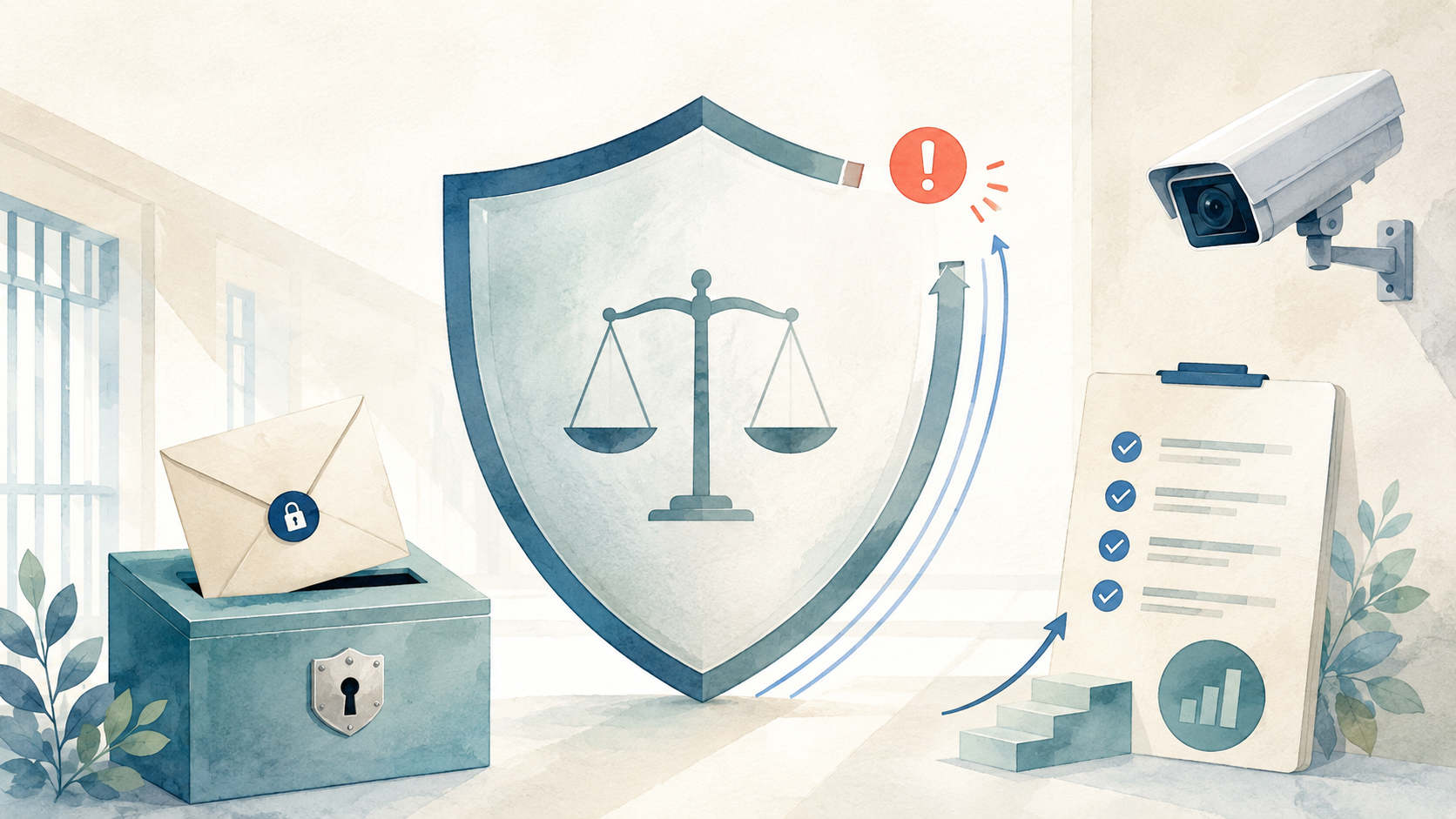
The Justice Department has outlined minimum remedial measures that California must implement to address these violations. These include expanded camera coverage, enhanced confidential reporting channels, improved investigative protocols, better staff training and monitoring, and compliance with the Prison Rape Elimination Act (PREA). If state officials do not satisfactorily resolve these issues within 49 days, the Attorney General may initiate litigation under the Civil Rights of Institutionalized Persons Act (CRIPA).
The investigation, which began in September 2024, aims to address patterns of constitutional rights violations in state-run correctional facilities. The Justice Department is hopeful for a cooperative resolution with California to rectify these serious concerns.


